A dumpster weight limit is the amount of debris included in your rental before extra charges start showing up on the bill. If you only look at dumpster size and ignore weight, that’s where surprise fees usually begin, especially on roofing jobs, remodels, and heavy cleanouts.
What a Dumpster Weight Limit Actually Means
Your dumpster weight limit is not about how full the container looks. It’s about how much your debris weighs when the load gets hauled away and measured at disposal. That included tonnage is part of the rental, and anything above it usually gets billed as an overage.
Here’s the thing: size and weight are not the same. A 20-yard dumpster can hold a lot of space, but that does not mean you can fill every inch with dense material and stay within the included limit.
Volume vs. weight: the mistake that catches people off guard
This is the part that trips people up. A dumpster can look half full and still be overweight.
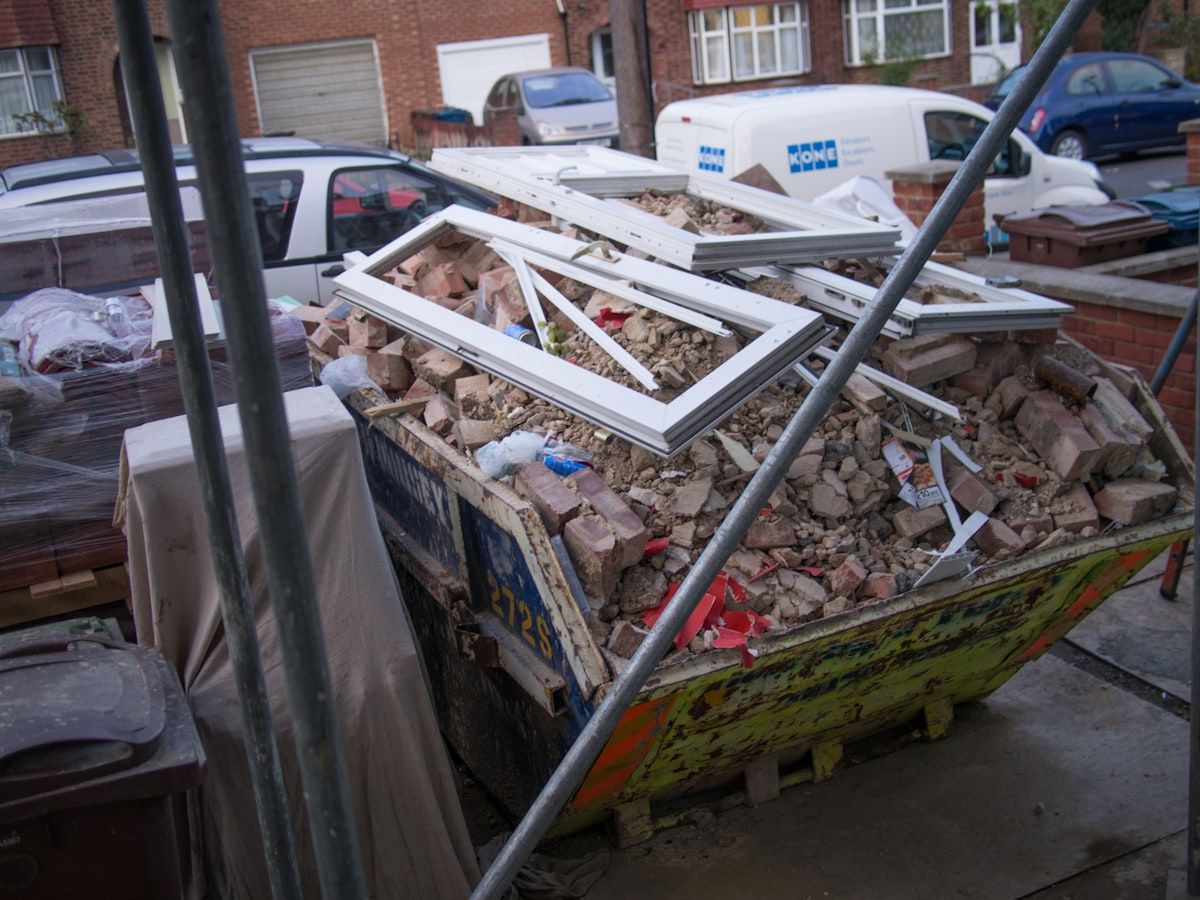
Think about the difference between old holiday decorations from a basement cleanout and broken patio concrete. One takes up space fast but stays relatively light. The other looks compact and harmless, then piles on weight like a pickup truck full of gravel. Roofing shingles, brick, dirt, block, and tile do the same thing. Even a half-full load can trigger extra charges if the material is dense enough.
Why weight limits exist in the first place
Weight limits are tied to real-world hauling limits, not arbitrary rules. Trucks can only carry so much safely on local roads and highways, and disposal sites charge by ton. A lot of rentals use a flat rate up to a certain ton cap, then add charges above that because the hauler gets charged more too.
That’s also why one quote can change after pickup. If your debris weighs more than the included allowance, your final price changes with it.

How Dumpster Weight Limits Affect Your Price
Most dumpster rentals include delivery, pickup, a rental window, and a set weight allowance. In many markets, that rental window is often around 7 to 10 days, and the base price can look straightforward at first.
The catch is the overage fee. Go past the included tonnage and the extra weight is usually billed per ton. On some rentals, that can mean $100 to $150 for every extra ton, sometimes more depending on the area and the material.
What “included tonnage” looks like on a quote
Quotes use a few different terms, but they usually mean the same basic thing. You may see included weight allowance, disposal allowance, ton cap, or included tonnage. What matters is simple: how much debris weight is covered before the meter starts running.
Before booking, check the written quote for the included weight and the overage rate. If you’re also trying to sort out the bigger pricing picture, it helps to understand what actually drives the full rental total, not just the first number on the screen.
Why low upfront prices can turn expensive fast
A cheap quote is not always a cheap rental. Some prices leave out disposal, fuel, environmental fees, or weight overages until later. That’s why two dumpsters that look identical on paper can end up hundreds of dollars apart on the final invoice.
Landfill charges are a big reason. Disposal often runs by the ton, and landfill fees per ton are part of what gets baked into overages and variable pricing. Compare all-in pricing whenever possible, not just the advertised starting rate.
Which Materials Send You Over the Limit Fast
Some debris types are just weight traps. If your project includes them, you need to plan differently from the start.
Heavy debris to watch closely
Concrete is the classic example. Dirt, brick, block, asphalt, tile, and shingles belong in the same category. These materials add up fast, even in smaller containers, and a load of mixed heavy debris can go overweight long before it reaches the top edge.
If your job includes masonry or roofing, say so upfront. Dense debris like concrete and shingles often needs a different plan than a standard junk removal load.
Lighter debris that usually gives you more breathing room
Household junk, cardboard, wood trim, old cabinets, drywall, and general renovation debris usually give you more room to work with. You can fill more volume before weight becomes a problem.
But lighter does not mean weight-proof. Hidden tile under cabinets, a stack of books, or a few buckets of plaster can change the math quickly. If you’re unsure about mixed loads, it helps to review which materials belong in a roll-off and which ones need special handling.
Moisture changes the math
Rain matters more than most people expect. Wet carpet, soaked drywall, soggy furniture, and waterlogged yard waste can weigh far more than the dry version.
That matters in McHenry County, especially during a spring cleanout after a muddy thaw, when basement debris and yard waste can hold a surprising amount of water. A load that looked fine on Friday can cost more after a weekend of rain.
How to Estimate Your Load Before the Dumpster Arrives
You do not need perfect math. You just need a better guess than “that looks about right.”
Start with the type of project, not just the dumpster size
A garage cleanout usually creates a very different load from a kitchen remodel. A roof tear-off is different from an estate cleanup. Concrete removal is in its own class entirely.
That’s why project type should come before container size. If you’re still sorting through options, take a look at how different projects match up with container sizes, then adjust based on material weight.
Separate dense materials when possible
This is one of the easiest ways to avoid overage fees. Keep concrete, dirt, shingles, brick, or block separate from lighter debris whenever you can.
Sometimes a concrete-only dumpster or a dedicated heavy-material haul is the cheaper move, even if it sounds less convenient at first. Mixed heavy loads are where a lot of surprise charges start.
Ask these 5 questions before you book
Ask what weight is included. Ask the overage fee per ton. Ask whether the quote is all-in. Ask if a permit applies. Ask if concrete, dirt, or mixed heavy loads have restrictions.
Simple questions. Expensive mistakes avoided.
Practical Ways to Avoid Overages and Extra Fees
Avoiding extra charges usually comes down to planning the load, not gaming the system.
Pick the right dumpster for the material, not just the pile size
Bigger is not always better. If your debris is dense, a giant container can tempt you to load too much weight into one haul.
Sometimes a smaller dumpster with the right weight allowance is the smarter choice. If you’re pricing local options, a Crystal Lake dumpster rental quote should clearly spell out the included tonnage before delivery.
Load evenly and stay below the fill line
Spread heavy items across the bottom instead of dumping everything in one end. Keep the load level, and do not stack material above the top edge.
That matters for safety, but also for cost. Overfilled dumpsters can lead to refused pickup or trip fees even before anyone checks the scale.
Keep the dumpster on private property if you can
A driveway is often the simplest option. Street placement can trigger permits, delays, and extra coordination with the town.
In fact, public-land placement rules apply in most places, so private property can save time and hassle. If you need help sorting that out, check when local placement rules usually kick in.
Protect the load from rain when possible
If tarping is allowed, use it. If not, try not to leave absorbent debris sitting through multiple storms.
This is especially useful with carpet, drywall, furniture, and yard waste. Water adds weight, and weight adds cost.
Dumpster Weight Limit FAQs
What happens if your dumpster is overweight?
The load usually gets weighed at the disposal site, and any extra tonnage is added to your bill at the stated overage rate. If the dumpster is severely overloaded or unsafe to haul, pickup can be delayed until material is removed.
How much weight can a dumpster usually hold?
It varies by dumpster size, provider, debris type, and local hauling rules. For example, some 20-yard dumpsters include 2 to 3 tons, but your written quote matters more than any generic chart online.
Is the weight of the dumpster itself included?
No. The weight limit on your rental refers to the debris you load into the container, not the steel dumpster itself.
Can a half-full dumpster still cost extra?
Yes. Dense debris like concrete, dirt, tile, or shingles can put a half-full dumpster over the included weight limit very quickly.
A Quick Checklist Before You Rent
Before you compare prices, ask for the weight allowance first. Then get at least three quotes, confirm the overage rate in writing, check whether the quote is all-in, ask about permit needs, and separate heavy debris if your project includes it.
That one habit changes everything: stop shopping by size alone, and start shopping by tonnage too.