If you’re asking do I need a permit for dumpster placement, the short answer is simple: sometimes. The big thing that decides it is where the dumpster will sit, and that answer can change fast if your driveway stops being an option the morning delivery is scheduled.
The Short Answer: Sometimes Yes, Sometimes No
You usually need a permit if the dumpster will sit on a street, sidewalk, alley, or other public right-of-way. If it stays on private property, like your driveway, you often do not need one.
Here’s the thing: “often” is not the same as “always.” Some towns are stricter than others, so local rules win every time. A city may treat a dumpster on your driveway as fine, while the next town over may still want an approval on file.
What Actually Decides Whether You Need a Permit
Location is the main divider. Cities care less about the dumpster itself than about what it affects: traffic, parking, pedestrian access, sightlines, and emergency access.
That’s why a container tucked into a private driveway usually gets less scrutiny than one sitting at the curb on a narrow residential street. If the placement changes how public space works, permit rules tend to show up fast. If you’re sorting out the bigger picture, this plain-English guide to local approval rules helps connect the dots.
If the Dumpster Sits on Your Driveway or Private Lot
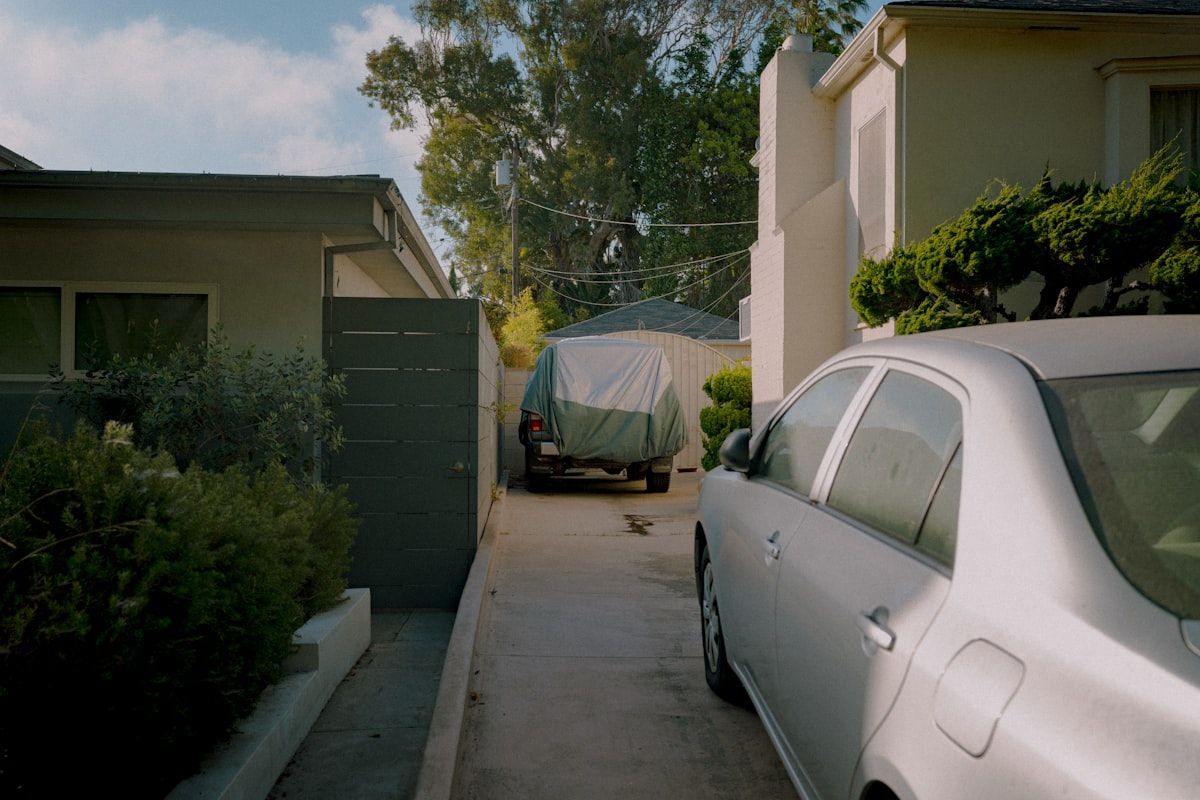
Private property means space you control, like your driveway, private lot, or work area on your land. In many places, that is the simplest setup and usually the one least likely to need a permit.
For example, residential driveway placement is specifically exempt in Minneapolis, and Crystal Lake guidance says driveway placement does not require a permit either. That makes sense. A dumpster on your own pavement usually does not block public access.
The catch is that private property is not an automatic free pass everywhere. Some municipalities still require approval, especially for longer projects or tighter neighborhoods.
If the Dumpster Sits on the Street or Public Right-of-Way
This is where permits are commonly required. “Right-of-way” sounds technical, but it just means public space such as the street edge, sidewalk area, alley access, or other space meant for public travel and access.
Street placement gets treated more strictly because it affects more than your project. It can remove parking, narrow traffic lanes, block visibility near corners, or make it harder for delivery trucks, school buses, or emergency vehicles to pass.
Why Cities Care So Much About Dumpster Placement
Honestly, most permit rules make more sense once you picture the street. A roll-off dumpster is big, heavy, and hard to miss. Put one in the wrong spot and it can block parked cars, crowd a sidewalk, or hide a driver’s view pulling out of a side street.
Some rules get very specific because vague safety rules are hard to enforce. Minneapolis, for example, requires containers in the right-of-way to sit within 12 inches of the curb and to include reflective materials. New Orleans goes even further with required safety markers and visible owner information. It’s a lot like parking a moving truck in the only open spot on a tight block, except heavier and there for days.
The Local Rules Can Change More Than You’d Think
A simple yes-or-no search can be misleading because permit rules are hyper-local. One city may only care about street placement. Another may require permits for any dumpster in view. Another may care most about timing and paperwork.
That means advice from a friend in the next town, or even a contractor who mostly works elsewhere, can be wrong for your address.
Examples of How Rules Differ From Place to Place
The range is wider than most people expect. Cambridge requires dumpster licenses for permanent and temporary dumpsters within city limits. Manassas Park requires a permit whether the container is on private property or on the street. Florence Township requires applications at least three business days in advance for right-of-way placement and does not allow the dumpster to be placed before approval.
So yes, the general rule is helpful. But it is still just the general rule.
What This Means for McHenry County Projects
If your project is in McHenry County, the smart move is to check with your municipality before delivery, especially if the dumpster may end up near the curb or in a neighborhood with tight street parking. In places like Crystal Lake, local guidance says street placement may require a permit, while driveway placement is usually simpler.
That same local-first thinking helps with other decisions too, like picking a container that actually fits your cleanup instead of ordering too large and forcing a tricky placement.
What You May Need Before the Dumpster Gets Dropped Off
If a permit is required, approval usually has to happen before delivery, not after. That’s the part that catches people. Once the truck is on the way, there is not much room for improvising.
Timing, Fees, and How Long the Dumpster Can Stay
Some cities need a few business days to process an application. Florence Township asks for at least three business days of lead time, and Minneapolis issues permits in set terms like 30, 60, or 90 days. Some places charge nothing for the permit, while others charge fees or deposits, especially for street placement.
If your project has a tight schedule, line up the permit first, then schedule delivery. If you’re also comparing what affects the full price of a rental, permit fees are one of those easy-to-miss extras.
Safety Markers, Signs, and Placement Rules
Street permits often come with practical conditions. You may need reflective tape or markers, visible company information, setback distance from corners, or rules about keeping the dumpster covered and properly aligned at the curb.
These details matter because the city is trying to make the container predictable and visible, especially at night or on crowded blocks.
A Quick Checklist Before You Order
Run through these five questions before booking. Where will it sit? Is that spot private or public? Will it block parking, traffic, sidewalks, or mail access? How long will it stay? Has the city approved it yet?
That quick check saves more headaches than almost anything else.
Common Questions About Dumpster Permits
Do You Need a Permit for a Dumpster in Your Driveway?
Often no, but not always. Many places treat a driveway as private property and do not require a permit, but some municipalities still do.
Who Usually Gets the Permit: You or the Dumpster Company?
It varies. Sometimes the rental company helps, but you or your contractor may still need to confirm local approval before drop-off.
What Happens If a Dumpster Is Delivered Without the Right Permit?
You could face fines, forced removal, delays, or the hassle of moving the dumpster after it is already full. Checking first is almost always faster than fixing the problem later.
Can an HOA Affect Dumpster Placement Even If the City Does Not?
Yes. A city may allow the dumpster, but an HOA can still limit where it sits, how long it stays, or whether it can be visible from the street.
Does a Short Rental Mean You Can Skip the Permit?
No. Even a one-day or weekend rental may need approval if it sits in public space. Permit rules usually depend on location, not just duration.
Frequently Asked Questions
Do permits usually apply to sidewalk or alley placement too?
Yes, often. If the dumpster affects public access in a sidewalk area, alley, or curb lane, cities commonly treat it like right-of-way placement.
Is street placement ever the better option?
Only when private placement will not work. Street placement is usually more regulated, more visible, and more likely to trigger fees or restrictions.
Can your dumpster company help with local permit questions?
Often yes, especially with local delivery experience. That said, final approval still comes from the city or municipality, so confirmation before delivery matters.
Does dumpster size affect permit requirements?
Sometimes indirectly. A larger container can take more curb space, block more parking, or be harder to place safely. If you’re unsure, choosing a residential size that fits the job can make placement easier.
The simplest rule to remember
If the dumpster stays on your property, you probably do not need a permit. If it goes in public space, assume you do until your city says otherwise. Try that one check before you order, and you avoid the kind of last-minute scramble that turns a simple cleanup into an all-day fix.