A weekend dumpster rental sounds simple until Friday afternoon hits, your driveway is still full, and the clock says you have two days to get the mess gone. If you want the weekend to stay focused on the project instead of phone calls and delays, the right rental comes down to speed, size, pickup timing, and a quote that actually means what it says.
Why a Weekend Dumpster Rental Makes a Project Easier
Weekend jobs move fast. A garage cleanout in McHenry can turn into a whole-house purge by Saturday lunch, and a bathroom demo in Crystal Lake can pile up more debris than expected before the first trip to the hardware store is over. That is exactly where a short-term dumpster helps.
A weekend rental works best when you need a container delivered quickly, used hard for a day or two, and removed without dragging into the workweek. Roofing tear-offs, estate cleanups, yard debris removal, basement cleanouts, and small remodels all fit that pattern. You want the dumpster there when the work starts, not sometime after it.
Here’s the thing: the cheapest container is not the best deal if it shows up late, lands in the wrong spot, or sits until Tuesday because pickup was vague. A good weekend rental buys you time, space, and momentum. That matters more than shaving a few dollars off the quote.
What to Look for Before You Book
The best buying factors are not complicated, but they do matter. For a weekend job, focus on delivery speed, flexible pickup, clear pricing, size options, and local dependability. A quote only helps if the service behind it is solid.
Fast delivery and realistic scheduling
Fast should mean more than “we’ll try.” For a weekend dumpster, that usually means same-day or next-day availability when inventory allows, plus an actual delivery window and confirmation before the weekend starts. Many haulers treat short rentals like any other order, but your project does not have that kind of patience.
Friday afternoons fill up quickly, especially around Crystal Lake and the rest of McHenry County when roofing crews, cleanout jobs, and weekend remodels all stack together. Booking early gives you better odds of getting the size you need and the timing you want. If you are comparing providers, pay attention to who can explain the window clearly, not just who answers first. If speed is the whole reason you’re renting, it helps to know what fast service usually includes.
Flexible pickup that fits your cleanup
Some projects finish sooner than expected. Others stretch into Sunday night after one “quick” closet cleanout turns into four. The trick is choosing a rental with pickup options that match real life.
Look for Monday pickup, early pull if you finish ahead of schedule, or an extra day that does not trigger a small avalanche of fees. Weekend rentals often sit inside a standard 7 to 10 day rental structure, but what matters is how easy it is to adjust. You should not have to fight for a simple pickup change.
Clear pricing with no surprise fees
A written quote should spell out delivery, pickup, rental period, included weight, overage charges, and any extra trip fees. Overage fees are just charges for going over the included weight limit. Simple idea, expensive mistake.
This is where people get tripped up. A low base price can look great until the bill adds blocked-delivery fees, extra-day charges, or a second trip. If you want a deeper breakdown of how rates are built, the parts of the bill that matter most are worth understanding before you book.
Reviews, communication, and careful placement
Reviews tell you what the quote does not. Scan for comments about on-time drop-off, easy scheduling, responsive updates, careful driveway placement, and clean pickup. Those details sound small until your only open parking space is on a narrow street and the driver needs to thread the container in without clipping a fence.
Local service matters here. A nearby provider such as this Crystal Lake dumpster rental service is often better positioned for fast delivery and local scheduling than a company dispatching from farther out. That difference is felt on a busy Friday.
Choosing the Right Dumpster Size for a Weekend Job
Most weekend rentals come down to three common sizes, plus larger options for major jobs. The goal is not to get the biggest container you can afford. The goal is to get enough room without paying for empty space or blowing past the weight limit.
10-yard dumpsters for small cleanouts and heavy debris
A 10-yard dumpster is often a smart pick for a small bathroom remodel, attic cleanout, minor roofing work, or a load of dense material like concrete, brick, dirt, or plaster. It is compact, easier to place, and usually friendlier to a tighter driveway.
The catch is weight. Heavy debris can hit the limit long before the dumpster looks full. A half-filled container of concrete can cost more than a fully loaded one filled with drywall and trim. If you are sorting sizes and materials at the same time, it helps to review how project volume usually lines up with container sizes.
20-yard dumpsters for most home renovations
For many home projects, the 20-yard is the safe middle ground. Kitchen remodels, flooring removal, deck tear-outs, medium roofing jobs, and larger garage cleanups often fit comfortably here.
This size works because it gives you room to breathe without jumping into a much larger footprint. It is also one of the easiest ways to avoid the classic mistake of renting too small, filling it by Saturday morning, and paying for a swap.
30-yard and 40-yard dumpsters for major projects
Larger dumpsters make sense for whole-home cleanouts, demolition work, major additions, bulky estate cleanups, or contractor jobs producing a steady stream of debris. If you are stripping multiple rooms at once, the extra volume can save a lot of hassle.
But bigger is not automatically better. Dense debris still adds weight fast, and hauling rules do not care that the box looks roomy. For heavy loads, the smarter move is often a smaller container with the right weight allowance rather than a giant one that invites overfilling.
What You Can Toss In and What Needs a Different Plan
Accepted materials are one of the biggest deal-breakers in a weekend rental. If prohibited items end up in the dumpster, pickup can be delayed, extra fees can show up, or the whole load may need to be sorted.
Common accepted materials
Most weekend rentals can handle wood, drywall, flooring, shingles, furniture, yard waste, and non-hazardous construction debris. Mixed loads are common for remodels and cleanouts, which is good news if your project includes a little of everything.
Still, confirm before delivery. Yard debris and construction debris are not always treated the same way, especially if the load includes heavy materials or treated wood.
Items that are usually not allowed
Paint, chemicals, batteries, tires, propane tanks, refrigerants, and many appliances need a different disposal plan. Hazardous just means material that can leak, burn, react, or create problems at the landfill. It is less mysterious than it sounds.
If you are unsure about one or two odd items from a shed, basement, or estate cleanup, check before tossing. A quick review of common bans and gray-area items can save a frustrating pickup delay.
Heavy materials need extra attention
Concrete, brick, dirt, asphalt, and plaster deserve special attention because they push loads over weight limits quickly. Industry pricing data shows 20-yard rentals often carry per-ton overage charges, which is why heavy debris changes the math so fast.
For these materials, ask about dedicated heavy-load rules before booking. That one step can keep a basic weekend cleanup from becoming the most expensive part of your project.
Permits, Placement, and Other Local Details That Can Slow You Down
A dumpster is easy to order and surprisingly easy to delay. Placement and permit issues cause a lot of last-minute headaches, especially when the plan is “just drop it out front.”
Driveway placement versus street placement
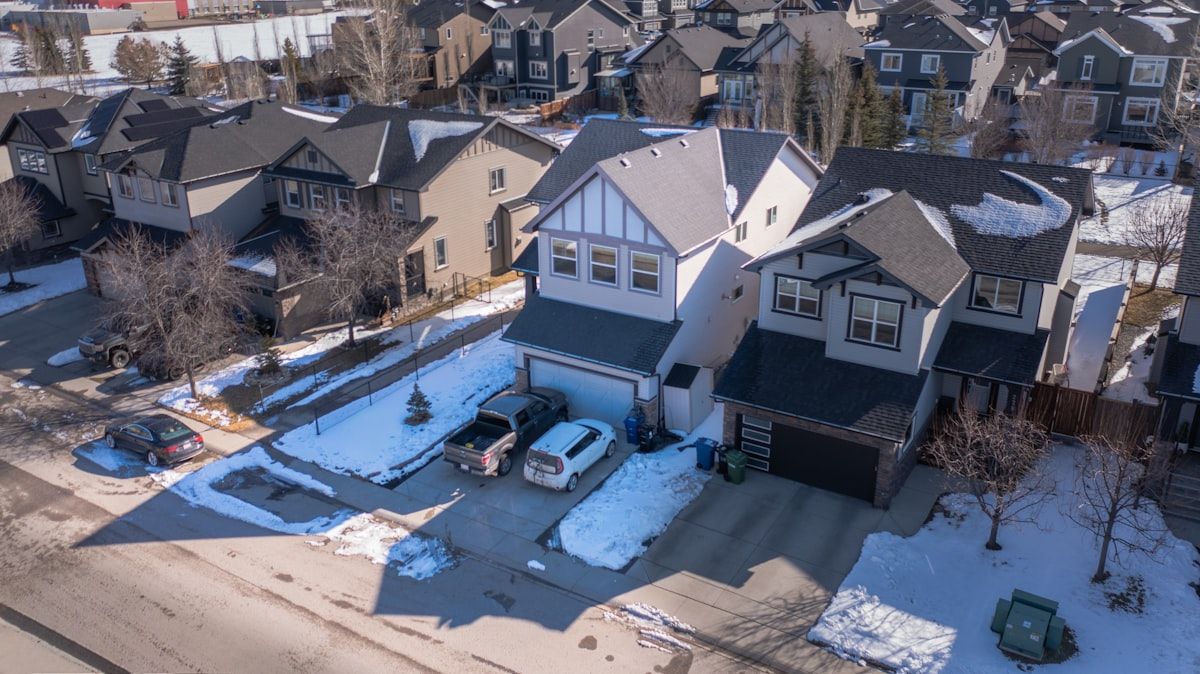
Driveway placement is usually simpler. It is easier to schedule, easier to access, and less likely to involve paperwork. If you have room on private property, that is almost always the cleaner option.
Street placement is where things get sticky. In 49 states, dumpsters placed on public land typically require a permit. If your property in McHenry County lacks driveway space, check the street option early instead of assuming it will be fine.
How to avoid permit headaches
If the dumpster will sit on a public street, alley, or other public area, contact the local municipality before delivery. Permit timing matters more than the form itself. A simple approval can still slow down a Friday drop if you wait until the last minute.
If you want the short version before making calls, when local placement rules usually apply is straightforward once you separate private property from public space.
Simple site prep before delivery day
Clear cars out of the way, measure access width, and look up for low branches or wires. If the surface is delicate, ask about boards or plywood for protection. Think of it like moving a couch through a hallway: five minutes of prep now avoids a much bigger headache later.
Weekend Dumpster Rental Costs and How to Stay on Budget
Cost matters, but weekend pricing is not just about the container size. Timing, debris type, weight, and logistics all affect the final number.
What affects the total price
Your total price usually depends on dumpster size, rental length, debris type, landfill fees, included weight, permit costs, and your location. A short weekend rental is not always cheaper if the load is heavy or the driver has to make a rushed trip across a busy service area.
As a rough benchmark, a 10-yard rental averages about $290 per week in national data, while larger containers climb from there. That number is helpful, but not enough on its own. The included tonnage matters just as much as the sticker price.
When it makes sense to spend more
Sometimes paying more is the smart move. If you need a guaranteed Friday drop, an easier pickup window, a larger size that avoids a swap, or stronger communication because a crew is waiting, reliability is worth paying for. No question.
That is especially true for contractors. Lost labor time costs more than a better rental quote.
Hidden fees to ask about upfront
Ask about overage charges, prohibited-item fees, dry-run fees for blocked delivery, extension charges, and swap-out trip costs. Get all of it in writing before booking.
One blocked driveway or overweight load can erase the “cheap” part of a cheap quote in a hurry.
Common Mistakes That Turn a Simple Rental Into a Mess
Most dumpster rental problems are predictable. That is good news, because predictable problems are easy to avoid.
Booking too late for a busy weekend
Spring cleanouts, summer roofing jobs, and holiday weekends tighten inventory fast. The U.S. market keeps growing at 5.7% over five years, and demand is real, especially for residential projects. If your start date is fixed, reserve early.
Picking a dumpster by guesswork
Choosing by price alone or guessing by sight is a mistake. Debris type matters as much as container size. A small load of plaster and tile can weigh more than a much larger pile of household junk.
Overfilling or loading the dumpster poorly
Keep debris level with the top, spread weight evenly, and avoid blocking the door if the container has one. Overfilled dumpsters cannot be hauled legally, and uneven loading makes pickup harder than it needs to be.
Forgetting the pickup plan
Pickup should be discussed when you book, not after the dumpster is packed full on Sunday night. Locking in a tentative pull window before the weekend starts keeps the end of the job from getting sloppy.
Best Weekend Dumpster Rental Options by Project Type
Different projects call for different priorities. Matching the rental to the job is half the battle.
Home renovation and remodeling
For kitchens, bathrooms, flooring, and roofing, prioritize on-time Friday delivery, enough capacity, and clear weight-limit rules for heavy debris. Remodel waste piles up faster than expected, especially once demo starts.
Garage, basement, and estate cleanouts
These jobs need flexible pickup, easy loading access, and enough room for bulky household junk. Cleanouts tend to grow once you get moving. One corner of the basement becomes the whole basement. That happens all the time.
Contractor and construction jobs
Contractor jobs live or die on timing. Reliable arrival windows, swap options, predictable billing, and pickup that keeps the site moving matter more than a rock-bottom base rate.
Yard cleanups, landscaping, and storm debris
A weekend dumpster works well for brush, fencing, sod, outdoor demo debris, and storm cleanup. Just confirm whether mixed yard waste and construction debris can go together in the same load.
A Quick Checklist for Booking the Right Weekend Dumpster
Before booking, confirm the size, the debris type, the delivery window, the pickup plan, permit needs, quoted fees, and the exact placement spot. That sounds like a lot, but it is really just a quick double-check before the truck rolls.
Try one thing now: get a written quote before Friday fills up. That single step clears up more problems than anything else.
Frequently Asked Questions
How far in advance should you book a weekend dumpster rental?
For a normal weekend, a few days ahead is smart. For spring cleanouts, roofing season, or holiday weekends, book earlier if your project has a fixed start date.
Can you get a dumpster delivered on Friday and picked up on Monday?
Yes, many weekend rentals work exactly that way. Just confirm the pickup window at booking so the container does not sit longer than you want.
Do you need a permit for a weekend dumpster rental?
Usually not if the dumpster stays on your driveway or other private property. If it will sit on a public street, alley, or sidewalk, check local permit rules before delivery.
What size dumpster is best for a weekend home project?
A 10-yard works for small cleanouts or dense debris. A 20-yard is often the best fit for most home remodels and larger cleanouts. Bigger jobs may need a 30-yard or 40-yard container.
What happens if your dumpster goes over the weight limit?
You usually pay an overage fee based on the extra tonnage. That is why heavy materials like concrete, dirt, brick, and plaster need special attention before booking.
Can you throw everything from a cleanup into one dumpster?
No. Many common cleanup items are fine, but hazardous waste, chemicals, batteries, tires, propane tanks, and refrigerant appliances usually need separate disposal. Confirm restricted items before the dumpster arrives.